
In today’s digital age, video marketing has emerged as a powerful tool for businesses to engage with their target audience and drive meaningful results. With the increasing popularity of platforms like YouTube, Facebook, and Instagram, video content has become a key component of successful marketing strategies. Whether you’re a small business owner or a digital marketer, understanding the basics of video marketing is crucial to staying competitive and reaching your goals. In this beginner’s guide, we’ll explore the fundamentals of video marketing, its benefits, and how to create and optimize videos for maximum impact.
Getting Started with Video Marketing and Video Production
In this fast-paced world, capturing the attention of your target audience is no easy feat. Video marketing offers a dynamic and captivating way to connect with your audience and convey your brand message effectively. By leveraging the power of visuals, storytelling, and emotions, video content has the potential to leave a lasting impression on viewers and drive them to take action.
Why You Should Be Building Your Video Marketing Strategy
Video marketing has gained immense popularity due to its ability to engage and resonate with audiences. It has become a preferred medium for consuming content, with billions of hours of videos being watched online every day. Here are some compelling reasons why you should incorporate video marketing into your overall marketing strategy:
- Increased Reach: Videos have the potential to reach a wider audience as they can be shared across various platforms and social media channels.
- Enhanced Engagement: Compared to text or images, videos are more likely to capture and retain viewers’ attention, increasing engagement levels.
- Improved Conversion Rates: Studies have shown that including videos on landing pages can significantly boost conversion rates and drive more sales.
- Better SEO Performance: Search engines prioritize video content, making it more likely to appear in search results and drive organic traffic to your website.
- Stronger Emotional Connection: Videos allow you to convey emotions effectively, enabling you to establish a deeper connection with your audience.

Benefits and Importance of Video Marketing. Make A Video The Kind Of Video To Perfectly Position Your Business.
Video marketing offers a wide range of benefits that can positively impact your business. When you set a video marketing goal or create video on social media, you want to make sure you are feeding your marketing funnel. Here are some benefits of using brand videos and great video as a marketing tool:
1. Increased Brand Awareness
Videos have a higher chance of going viral or being shared, which can exponentially increase your brand’s visibility and reach.
2. Enhanced Engagement and Interactivity
Videos encourage viewers to interact with your content by liking, commenting, and sharing, fostering a sense of community around your brand.
3. Improved Conversion Rates
Well-crafted videos have the power to convince viewers to take action, whether it’s making a purchase, signing up for a newsletter, or requesting more information.
4. Boosted SEO Performance
Search engines value video content, and by optimizing your videos with relevant keywords and metadata, you can improve your website’s visibility in search results.
5. Increased Social Media Presence
Social media platforms prioritize video content, making it more likely to appear in users’ feeds and increasing your chances of reaching a larger audience.
6. Stronger Brand Storytelling
Videos provide an excellent platform for telling your brand’s story, showcasing your products or services, and building an emotional connection with your audience.
7. Higher Retention and Recall
Visual content is easier to remember, and videos allow you to convey complex information in a concise and engaging manner, increasing viewers’ retention and recall of your message.

Types of Video Marketing Content
Video marketing encompasses various types of content, each serving a specific purpose and catering to different stages of the buyer’s journey. Here are some popular types of video marketing content:
1. Explainer Videos
Explainer videos are short, concise videos that introduce your brand, product, or service, explaining its benefits and how it solves a problem for your target audience.
2. Product Demos and Reviews
Product demos and reviews showcase your products in action, highlighting their features and benefits to help viewers make informed purchasing decisions.
3. Customer Testimonials
Customer testimonial videos feature satisfied customers sharing their positive experiences with your brand, instilling trust and credibility in potential customers.
4. How-To and Tutorial Videos
How-to and tutorial videos provide step-by-step instructions on using your products or solving common problems, positioning your brand as an industry expert.
5. Behind-the-Scenes Footage
Behind-the-scenes videos offer a glimpse into your company culture, team, and processes, allowing viewers to connect with your brand on a more personal level.
6. Webinars and Live Streams
Webinars and live streams enable real-time interaction with your audience, fostering engagement, and providing valuable educational or entertaining content.
7. Animated or Motion Graphics Videos
Animated or motion graphics videos use captivating visuals and animations to simplify complex concepts, making them engaging and easy to understand.

Planning Your Video Marketing Strategy. Keep In Mind Various Marketing Videos to Create
Creating an effective video marketing strategy requires careful planning and consideration. Here are the key steps to developing a successful video marketing strategy:
1. Define Your Goals
Start by clearly defining your goals for video marketing. Are you aiming to increase brand awareness, drive conversions, or educate your audience? Identifying your objectives will shape the direction of your strategy.
2. Understand Your Target Audience
To create videos that resonate with your audience, it’s essential to understand their needs, preferences, and pain points. Conduct market research and gather insights to tailor your content to their interests.
3. Develop a Content Calendar
A content calendar will help you stay organized and consistent with your video production. Plan out topics, formats, and release dates to ensure a steady stream of engaging content.
4. Create Compelling Video Content
Invest in high-quality video production to create visually appealing and engaging content. Ensure that your videos are well-scripted, professionally shot, and edited to maintain a polished image.
5. Optimize Videos for SEO
To maximize the visibility of your videos, optimize them for search engines. Conduct keyword research, include relevant metadata, and provide clear titles and descriptions for each video.
6. Promote and Distribute Your Videos
Use a multi-channel approach to distribute your videos, including platforms like YouTube, social media channels, your website, and email newsletters. Tailor your distribution strategy to reach your target audience effectively.
Effective Video Marketing Involves Creating Engaging Video Content.
Creating engaging video content is key to capturing and retaining viewers’ attention. Here are some tips to make your videos more compelling:
1. Tell a Story
Storytelling is a powerful tool for creating an emotional connection with your audience. Craft narratives that resonate with your viewers and align with your brand values.
2. Keep it ConciseIn today’s fast-paced world, viewers have short attention spans. Keep your videos concise and focused, delivering your message in a clear and engaging manner.
3. Use Visual Appeal
Utilize visually appealing elements such as attractive graphics, animations, and compelling visuals to enhance the visual appeal of your videos.
4. Add Music and Sound Effects
Music and sound effects can heighten the emotional impact of your videos. Choose appropriate background music and use sound effects strategically to enhance the viewing experience.
5. Incorporate Call-to-Actions
Guide your viewers on the next steps they should take after watching your video. Include clear and compelling call-to-actions that encourage them to visit your website, subscribe to your channel, or make a purchase.
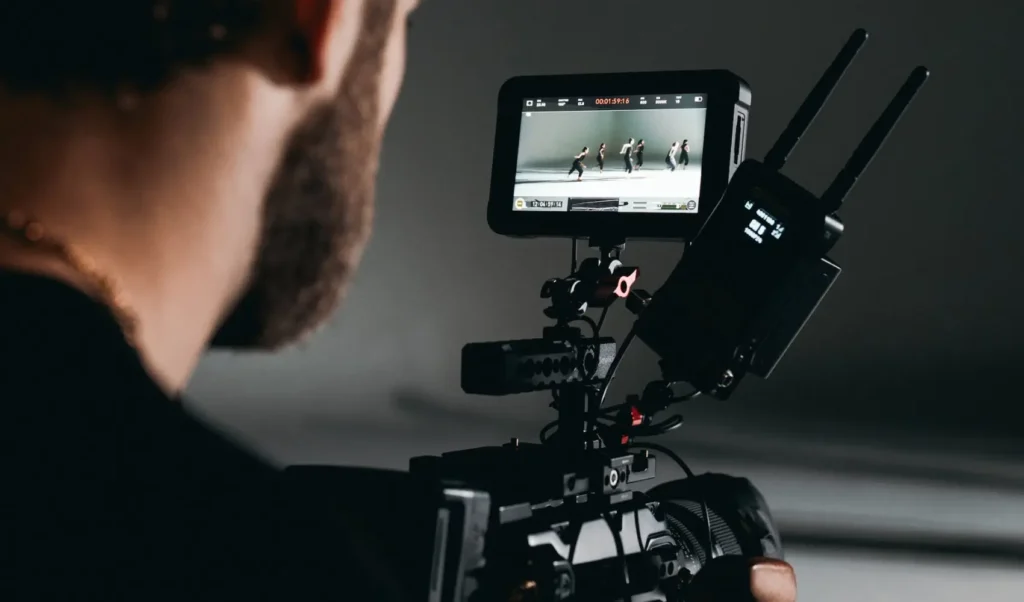
How To Create a Video Marketing Strategy. Follow These Steps to Build a Video Marketing Strategy
Creating a video marketing strategy requires careful planning and execution. This involves several key steps:
1. Define your goal:
Determine what you want to achieve with your video marketing strategy. Is it to increase brand awareness, drive website traffic, generate leads, boost sales, or educate your audience? Having a clear goal will guide the rest of your strategy.
2. Identify your target audience:
Understand who your target audience is and what kind of videos would resonate with them. Consider demographics, interests, and behaviors to tailor your content effectively.
3. Research your competition:
Analyze what your competitors are doing in terms of video marketing. This will help you identify gaps in the market and find unique ways to stand out from the crowd.
4. Develop your message and storytelling:
Craft a compelling message that aligns with your brand identity and resonates with your target audience. Utilize storytelling techniques to engage viewers and evoke emotions.
5. Choose the right platforms and channels:
Determine which platforms and channels are most suitable for your target audience. YouTube, Facebook, Instagram, LinkedIn, and TikTok are popular options, but you should select the ones that align with your audience’s preferences.
6. Plan your video content:
Decide on the types of videos you want to create, such as explainer videos, product demos, customer testimonials, how-to guides, or behind-the-scenes footage. Mix different formats to keep your content fresh and engaging.
7. Create a content calendar:
Develop a schedule for releasing your videos to maintain consistency and build anticipation among your audience. This can help you plan out content themes, scripts, shooting locations, and any necessary pre-production tasks.
8. Production and editing:
Produce high-quality videos with professional equipment and ensure the technical aspects, such as lighting, sound, and resolution, are up to standards. Edit your videos to enhance their visual appeal, add captions or subtitles, and optimize for different platforms if needed.
9. Optimize for search engines:
Implement SEO strategies like optimizing video titles, descriptions, and tags to increase visibility and organic reach on platforms like YouTube.
10. Promote and distribute:
Share your videos across different channels, including your website, social media profiles, email newsletters, and relevant online communities. Consider running targeted advertising campaigns to reach a wider audience.
11. Track and analyze performance:
Monitor key metrics like views, engagement, click-through rates, conversions, and sales to gauge the success of your video marketing efforts. Use analytics tools to gain insights and adapt your strategy accordingly.
12. Continuously learn and improve:
Stay updated with emerging video trends, audience preferences, and platform algorithms. Experiment with different formats and content styles to identify what resonates best with your target audience and optimize your strategy accordingly.
Remember, consistent effort, creativity, and audience-centric content are essential elements of a successful video marketing strategy. Regularly reviewing and adjusting your approach will help ensure your videos continually engage and convert viewers.
Types of Marketing Videos for Search Engines: Optimizing Videos for SEO
To ensure your videos reach a wider audience and drive organic traffic, it’s essential to optimize them for search engines. Here are some SEO optimization tips for your videos:
1. Conduct Keyword Research
Identify relevant keywords that align with your video content and incorporate them naturally in your video titles, descriptions, and tags.
2. Provide Captions and Transcripts
Including captions and transcripts for your videos makes them accessible to a broader audience and improves their visibility in search results.
3. Optimize Video Metadata
Write clear and concise titles, descriptions, and tags that accurately describe your video content. Use relevant keywords to increase the chances of your videos appearing in search results.
4. Create Engaging Thumbnails
Thumbnails are often the first thing viewers see when browsing videos. Create visually appealing thumbnails that accurately represent your video content and entice viewers to click.
Video Distribution Channels – Video Marketing For Business Involves Video Analytics Across Various Video Hosting Platforms
.Choosing the right video distribution channels is crucial for maximizing your video marketing efforts. Here are some popular distribution channels to consider:
1. YouTube
As the world’s second-largest search engine, YouTube offers immense reach and potential for video marketing. Create a branded YouTube channel and optimize your videos for maximum visibility.
2. Social Media Platforms
Leverage social media platforms like Facebook, Instagram, LinkedIn, and Twitter to share your videos with your followers and engage with your audience.
3. Your Website and Landing Pages
Embed videos on your website and landing pages to provide valuable content and keep visitors engaged. Optimize your website to load videos quickly and ensure they are mobile-friendly.
4. Email Marketing
Include videos in your email marketing campaigns to increase open rates and engagement. Use eye-catching thumbnails and compelling subject lines to entice recipients to watch your videos.
Measuring Video Marketing Success and The Power of Video Marketing
Measuring the success of your video marketing efforts is crucial to understanding what works and what can be improved. Here are some key metrics to track:
1. View Count and Watch Time
Track the number of views your videos receive and the total watch time. These metrics indicate how many people are engaging with your content and for how long.
2. Engagement Metrics
Measure metrics such as likes, comments, shares, and click-through rates to gauge audience engagement and the impact of your videos on your audience.
3. Conversion Rates
Monitor conversion rates to assess the effectiveness of your videos in driving desired actions, such as purchases, sign-ups, or downloads.
4. Audience Retention
Analyze audience retention data to identify when viewers drop off during your videos. This information can help you optimize your content for better viewer retention.
Video Marketing Best Practices. Use This Video Marketing Guide, Explainer Video, and How-To Video to Keep Your Audience Informed.
To ensure the success of your video marketing endeavors, consider the following best practices:
1. Know Your Audience
Understand your target audience’s demographics, preferences, and interests to create videos that resonate with them and cater to their needs.
2. Focus on Quality
Invest in professional video production or equip yourself with the necessary tools and skills to create high-quality videos. Quality production reflects positively on your brand.
3. Be Authentic and Transparent
Authenticity builds trust with your audience. Be genuine, transparent, and showcase the human side of your brand in your videos.
4. Test and Iterate
Experiment with different video formats, styles, and topics. Analyze the performance of your videos and iterate based on the insights gained.
5. Stay Consistent
Maintain a consistent schedule for video production and release. Consistency helps build anticipation and loyalty among your viewers.
Conclusion on How to Use Video To Support Your Video Marketing. How Various Video Types and Video Can Help Your Business Marketing.
Video marketing is a dynamic and powerful tool that can help businesses connect with their target audience and achieve their marketing goals. By understanding the fundamentals of video marketing, creating engaging video content, and optimizing it for maximum visibility, you can leverage the immense potential of video marketing to drive meaningful results. Start incorporating video marketing into your strategy today and unlock new opportunities for growth and success.
FAQ
FAQ 1: How do I get started with video marketing?
To get started with video marketing, identify your goals, understand your target audience, and develop a content calendar. Invest in quality video production, optimize your videos for SEO, and distribute them across relevant channels.
FAQ 2: What are the key elements of a successful video marketing strategy?
A successful video marketing strategy includes defining clear goals, understanding your audience, creating compelling content, optimizing videos for SEO, and measuring performance using relevant metrics.
FAQ 3: How can I optimize my videos for SEO?
Optimize your videos for SEO by conducting keyword research, providing captions and transcripts, optimizing video metadata, and creating engaging thumbnails.
FAQ 4: Which video distribution channels should I focus on?
Focus on popular video distribution channels like YouTube, social media platforms, your website and landing pages, and email marketing campaigns to reach a wider audience.
FAQ 5: How do I measure the success of my video marketing efforts?
Measure the success of your video marketing efforts by tracking metrics such as view count, watch time, engagement metrics, conversion rates, and audience retention. Use these insights to refine your strategy and improve future videos.